



Advanced Global NON VBV BIN Checker 2026
Why BIN Identification Matters in 2026
In the current digital payment landscape, the shift from 3DS1 to 3DS2 (3D Secure 2.0) has changed how transactions are authenticated. While old systems relied on a manual redirect (Verified by Visa), modern systems use “Frictionless Authentication.”
A Non-VBV BIN refers to a Bank Identification Number belonging to a card range that does not require an extra SMS or OTP step. These are typically found in specific categories:
• Commercial & Corporate Tiers: Designed for high-volume business spending.
• Prepaid & Virtual Ranges: Often issued without 3D Secure enrollment.
• Regional Specifics: Banks in certain jurisdictions that haven’t mandated 2FA for all online CNP (Card Not Present) transactions.
Understanding the “Frictionless” Revolution
The 2026 update to global payment protocols means that many cards are “Dynamic.” A BIN might act as Non-VBV if the transaction data (IP, Device, and Amount) matches the cardholder’s usual profile. Our tool analyzes the Card Tier and Issuing Bank to give you a probability score of whether a card will trigger a security challenge.
Key Features of Our 2026 Identifier:
1. Real-Time Database: Connects directly to updated IIN/BIN registries.
2. Tier Analysis: Automatically identifies if a card is “Classic,” “Platinum,” or “Business.”
3. Regional Insights: Detects the country of origin to determine if PSD2 or similar security mandates apply.
How to Use the BIN Tool for Best Results
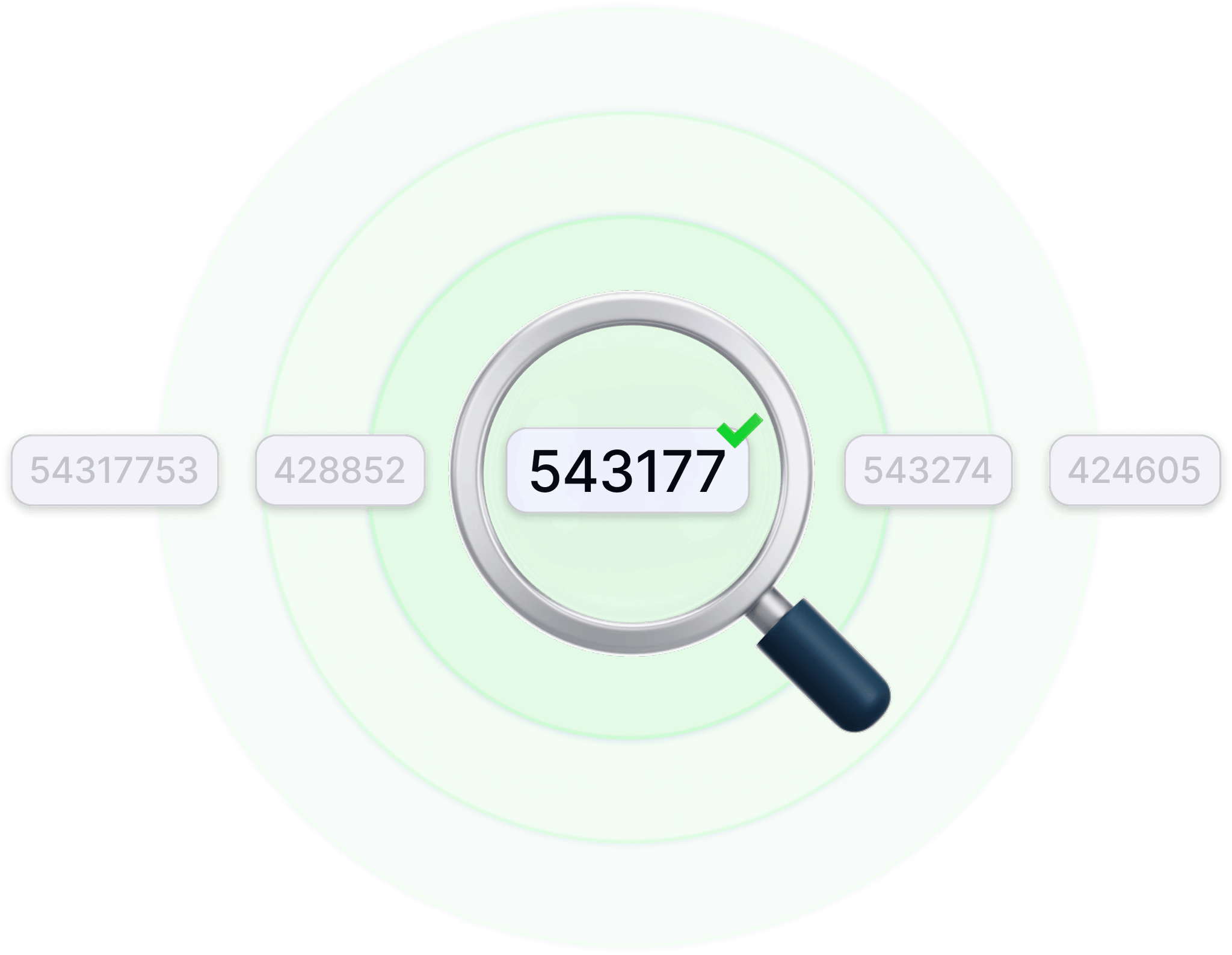
To get the most accurate results, enter the first 6 to 8 digits of the card. The tool will break down the card’s DNA.
• High Probability: Look for results labeled “Business,” “Corporate,” or “Prepaid.”
• Medium Probability: “Platinum” or “Signature” cards from smaller credit unions.
• Low Probability: Standard “Consumer” or “Classic” cards from major UK/EU/US banks, which almost always require 2FA.
To unpack this, it’s helpful to know what a BIN actually is. A BIN is the first six digits of any bank card number, used to identify the issuing bank, card type, and other attributes. These numbers are crucial for processing transactions and managing fraud prevention. A non VBV mastercard BIN means cards issued under that BIN operate without the need for the cardholder to enter a separate authentication code during online purchases, which can simplify and speed up the checkout process.
This simplified process can be appealing for merchants and consumers looking for convenience, but it also introduces potential risks. Without the additional VBV verification, non-VBV Mastercard cards can be more vulnerable to fraudulent transactions if the card details are compromised. As a result, banks and payment processors must balance the ease of use against security concerns carefully.
Understanding the landscape of non-VBV Mastercard BINs helps highlight the ongoing tension in e-commerce between convenience and protection. While these BINs cater to users who prioritize speed, they also require stronger backend fraud detection systems to compensate for the missing security layer. As digital commerce evolves, the role of such BINs—and the technology that supports them—will continue to adapt to meet both user expectations and security imperatives.
THE POWERFUL NON VBV BIN CHECKER
Advanced Global BIN Checker
Analyzing Bank Protocols…
Authentication Forecast
Cross-referencing IIN database with 3DS2 regional mandates.